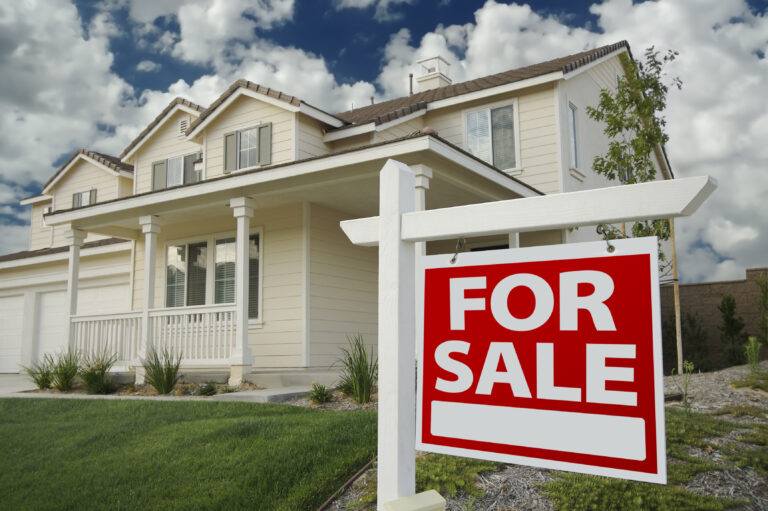
Putting a home on the market in North Carolina involves a specific framework that shapes how transactions unfold. Buyers pay due diligence money up front and use the due diligence period to investigate the property before their contract becomes fully binding. If their home inspection surfaces unexpected issues, they can walk away and keep looking, but the seller is left with a listing that just fell through and a reset timeline that often costs more than any repair would have. A pre-listing inspection is the preventive step that lets sellers see what buyers’ inspectors are likely to find, address or disclose it on the seller’s own terms, and reduce the chance that due diligence turns into a termination.
BK’s Home Inspections provides pre-listing inspections throughout Durham, Chapel Hill, Raleigh, Greensboro, Mebane, Roxboro, and Research Triangle Park. Our home inspectors work for the seller the same way they work for buyers during due diligence inspections, with the same scope, the same tools, and the same level of thoroughness. The difference is timing. By getting the inspection done before offers come in, you can respond to findings strategically rather than reactively, and the information in your hands often becomes the single most useful asset in preparing the home for market.
About the Pre-Listing Inspection
A pre-listing inspection is a full visual evaluation of a residential property performed for the seller before the home is listed. Our home inspectors examine the property with the same scope they would use for any buyer’s home inspection. We do not reduce the scope because the client is the seller rather than a buyer. If anything, pre-listing inspections can be even more thorough, because the goal is to anticipate everything a buyer’s home inspector might raise during due diligence.
The exterior review covers roof coverings, flashings, penetrations, valleys, chimneys, gutters, downspouts, soffits, fascia, cladding of every type common in the Triangle and Triad, trim, windows, doors, decks, porches, patios, driveways, walkways, retaining walls, fencing, and the grading and drainage surrounding the foundation. Roof access depends on pitch, material, and safety considerations. When direct access isn’t advisable, we use drone photography to document the surfaces at close range.
Foundation evaluation addresses whichever construction type the property uses. Crawlspace foundations, which dominate much of the North Carolina residential housing stock, receive attention to sill plates, floor joists, girders, piers, vapor barriers, insulation, moisture conditions, and any evidence of pest or wood-destroying organism activity. Full basements, more common in some Triad neighborhoods, receive their own review. We evaluate slab-on-grade construction from accessible perimeter locations and through interior finish patterns that often telegraph slab-related conditions.
Interior work covers walls, ceilings, floors, stairs, rails, doors, and windows across every accessible room. We check the plumbing system at every fixture, water heater, hose bib, and visible section of supply and drain lines. Older homes across Durham, Chapel Hill, and Greensboro often contain galvanized supply lines, cast iron drain systems, or polybutylene supply piping, each with documented concerns. The electrical service is reviewed from the meter and main disconnect through the panel and to branch circuits, with specific attention to older panel brands and any aluminum branch wiring. We test GFCI and AFCI protection at accessible outlets.
HVAC systems are evaluated in operation when seasonal conditions allow, and we document equipment age, condition, filtration, combustion venting, condensate management, and installation quality. We review attics for insulation, ventilation, framing, and any evidence of moisture, wildlife, or pest activity. Built-in appliances are cycled. When warranted, our home inspector uses thermal imaging to identify insulation gaps, moisture patterns, and electrical anomalies that visual inspection alone would miss.
We deliver the pre-listing report in the same format as our home inspections: digital, illustrated with photographs, and organized so significant items are easy to locate. Sellers can use the report in several ways, including internally to prioritize repair and preparation work, with their real estate agent for pricing and strategy discussions, or by providing the report to buyers as part of the listing package. Each approach has merit depending on the property, the market conditions, and the seller’s preferences.
Why Pre-Listing Inspections Matter in North Carolina
North Carolina’s due diligence period differs from inspection contingencies in many other states, and those differences meaningfully affect how pre-listing inspections create value. Buyers in North Carolina pay due diligence money at contract execution, and the seller retains that money if the buyer terminates for any reason during the due diligence period, except in specific circumstances. For buyers, this means walking away has real consequences. For sellers, this means a buyer who terminates during due diligence takes the home back off the market, often for weeks, before another buyer comes along. Reducing the probability of mid-due-diligence terminations is one of the most valuable outcomes a seller can engineer, and pre-listing inspections directly serve that goal.
A buyer’s home inspector finding something unexpected is one of the most common reasons due diligence terminations occur. Sellers who have already addressed or disclosed the significant findings reduce the surprise factor substantially. Buyers who make offers already knowing about the roof’s age, the HVAC equipment’s remaining service life, or any crawlspace moisture conditions are structurally less likely to terminate over those items than buyers who discover them for the first time during their own inspection.
Pricing strategy is another area where pre-listing inspections create leverage. Sellers who know the property’s issues can price with those conditions factored in, rather than defending a list price that assumes a cleaner property than the home actually is. Multiple-offer situations, common in parts of the Triangle market during active periods, often favor sellers who have disclosure documentation ready to go, since buyers can make stronger offers with less uncertainty.
The North Carolina Residential Property and Owners’ Association Disclosure Statement also benefits from an actual professional inspection. The disclosure asks sellers to represent what they know about the property’s condition, and sellers with a current inspection report in hand can answer the disclosure questions more accurately than those relying on memory alone.
Finally, the pre-listing inspection often reveals items that are inexpensive to repair but visually alarming during a buyer’s inspection. GFCI protection, missing smoke detectors, water heater pressure relief valves without discharge piping, improper panel labeling, and dozens of similar items are small-dollar fixes that nonetheless appear prominently on buyers’ inspection reports. Addressing them before the listing goes live is almost always cheaper and faster than negotiating over them during due diligence.
Why Choose BK’s Home Inspections for Your Pre-Listing Inspection?
Our team of home inspectors brings the North Carolina state licensing, continuing education, and field experience the Triangle and Triad demand. We know what buyers’ home inspectors in this market look for because we are those home inspectors on buyers’ inspections throughout the week. That dual perspective means our pre-listing reports accurately predict what buyers are likely to find during their own due diligence. Thermal imaging is part of our standard toolkit, and we bring moisture meters, drone photography for roof documentation, and combustion diagnostics as needed.
As a multi-inspector firm, we accommodate the timing constraints of listing preparation, including coordinating around repair work, staging, and photography scheduled before a property goes on the market. After we deliver the report, our team remains available for follow-up questions from sellers, agents, and contractors evaluating the findings. Reviews from past clients describe the working relationship in more concrete terms than we can here.


Schedule Your Pre-Listing Inspection in Durham, Raleigh, Greensboro, and Beyond Today
BK’s Home Inspections provides pre-listing inspections across every area where we perform regular home inspections. Whether you’re preparing to list a first home in Chapel Hill, selling a family property in Raleigh, moving out of state after years in Greensboro, or transitioning an investment property in Mebane, our team is ready to walk the home with the same thoroughness buyers’ inspectors will bring during due diligence.
To book your pre-listing inspection, contact us or schedule online. We serve Durham, Chapel Hill, Raleigh, Greensboro, Mebane, Roxboro, and Research Triangle Park. The earlier you bring us in during your listing preparation, the more options you have for how to use the findings, so contact us as soon as you know you’re planning to sell. Our home inspectors are ready to give you a working picture of your property before it goes to market.